Five breakdowns we keep fixing for operations teams
Not a product pitch — a map of the everyday breakdowns we hear about most, and what changes once they are handled automatically.
Information is never reliable
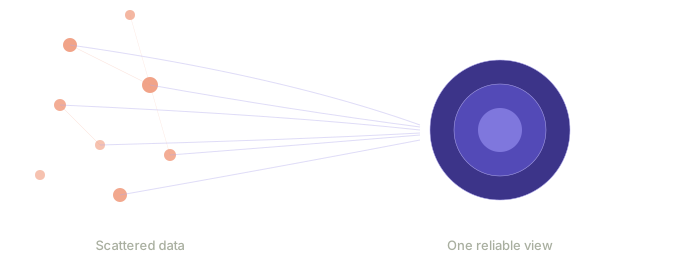
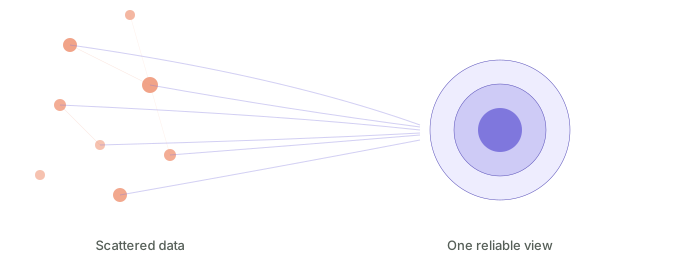
Stock, tasks and status live in spreadsheets and in people’s memory. Someone gets interrupted, forgets to update it, and others decide based on stale numbers.
Changes are captured or synced automatically, keeping one trusted, always up-to-date operational view — without relying on anyone remembering.
Before: Sofia spends an hour every week cross-checking stock across three systems and still finds missing inventory after orders are confirmed.
After: The system reflects reality the moment anyone logs a movement. Sofia only acts when something actually changes.
Problems are discovered too late
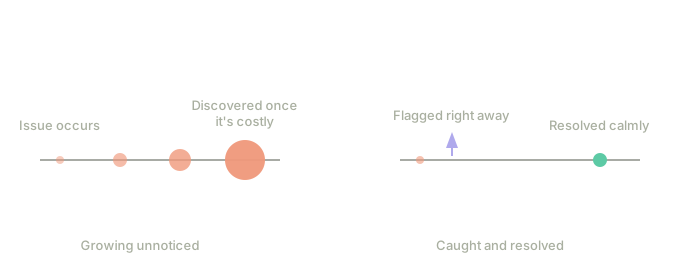
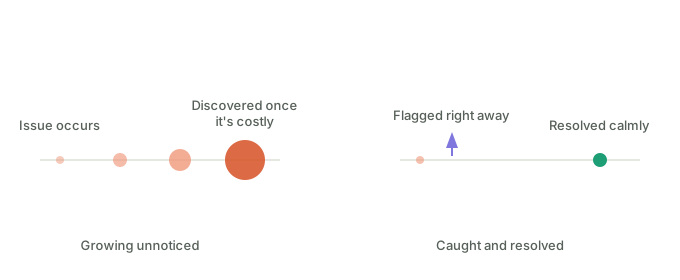
Machine or process issues surface only after production has already been affected — when decisions are more expensive and more stressful.
Issues are captured the moment they are reported, with context preserved, and the right manager notified immediately.
Before: A freezer drifts above temperature overnight and is only noticed on Monday, forcing an entire pallet of stock to be written off.
After: The alert reaches the on-call team within minutes, well before opening hours, so the problem is fixed and nothing is lost.
Customer requests get buried
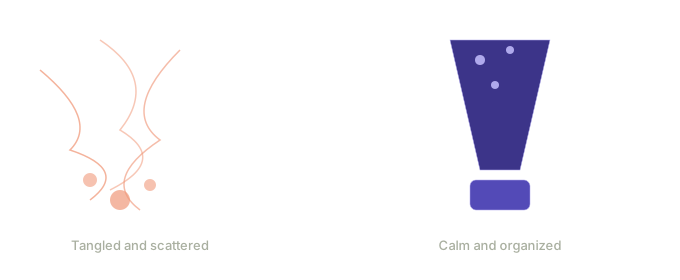
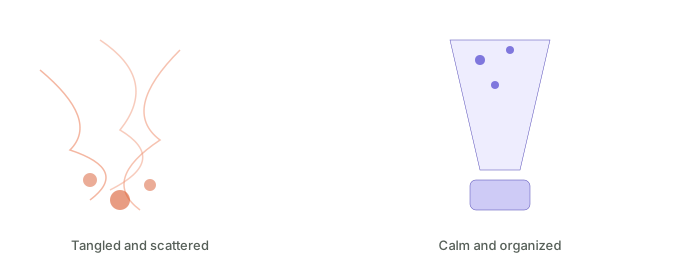
Complaints, order changes and service requests arrive through email, WhatsApp and phone — scattered, duplicated or forgotten.
The same channels stay in place, but every request is automatically extracted, categorized and tracked in one place, with the right people notified.
Before: A spec change is jotted on a sticky note and lost before production begins, so the line runs the wrong order.
After: The request is captured and linked to the order as soon as the call ends, reaching the production line before anything is manufactured.
Knowledge lives inside people’s heads
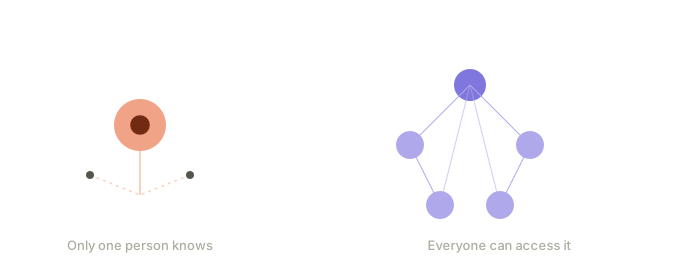
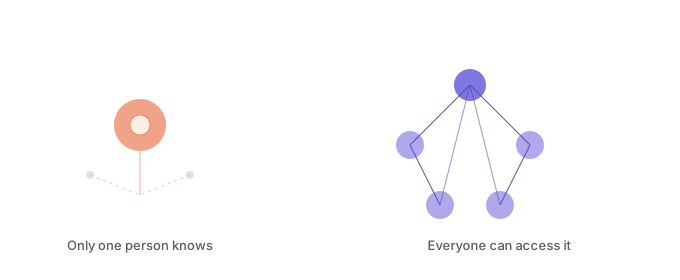
The business depends on a few experienced people who know how everything works. When they are out, processes slow down or stop.
Tribal knowledge becomes shared operational knowledge — processes documented, information centralized, people guided through workflows.
Before: Only Miguel knows how to reprogram the cutting machine. When he is out sick, the production line stops.
After: The steps are documented and accessible to any colleague, guided one at a time, so the line keeps running even without Miguel.
People spend time remembering instead of working
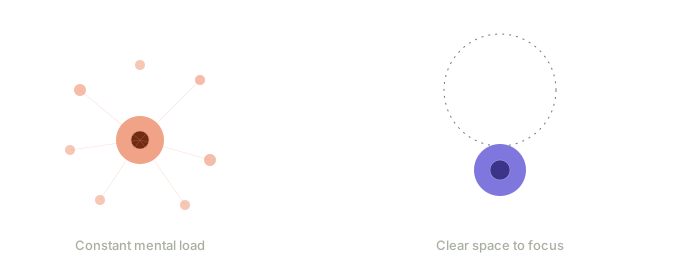
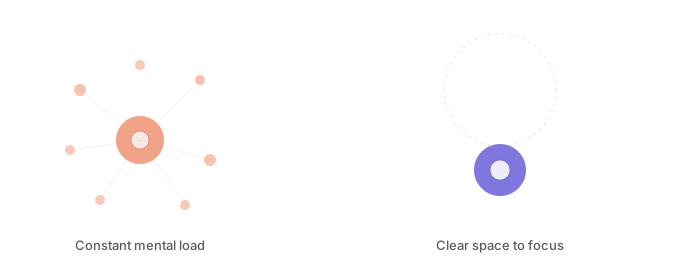
Employees constantly answer status questions, search for information and repeat explanations. The mental load creates stress and mistakes.
The system remembers, organizes, connects and notifies automatically — freeing people to focus on judgment and real problems.
Before: A warehouse manager answers “has it arrived yet?” around fifteen times a day instead of solving the actual bottleneck.
After: People check status themselves, and the manager only gets pulled in when there is an actual decision to make.
Recognize your operation in one of these breakdowns?
These are not fixed products. We build the version that fits how your team already works and keeps the operation dependable.